Book Appointment Now

10 Home Remedies for Hair Fall That May Actually Help (Backed by Science)
Hair Fall: Why It Happens and What You Can Do at Home
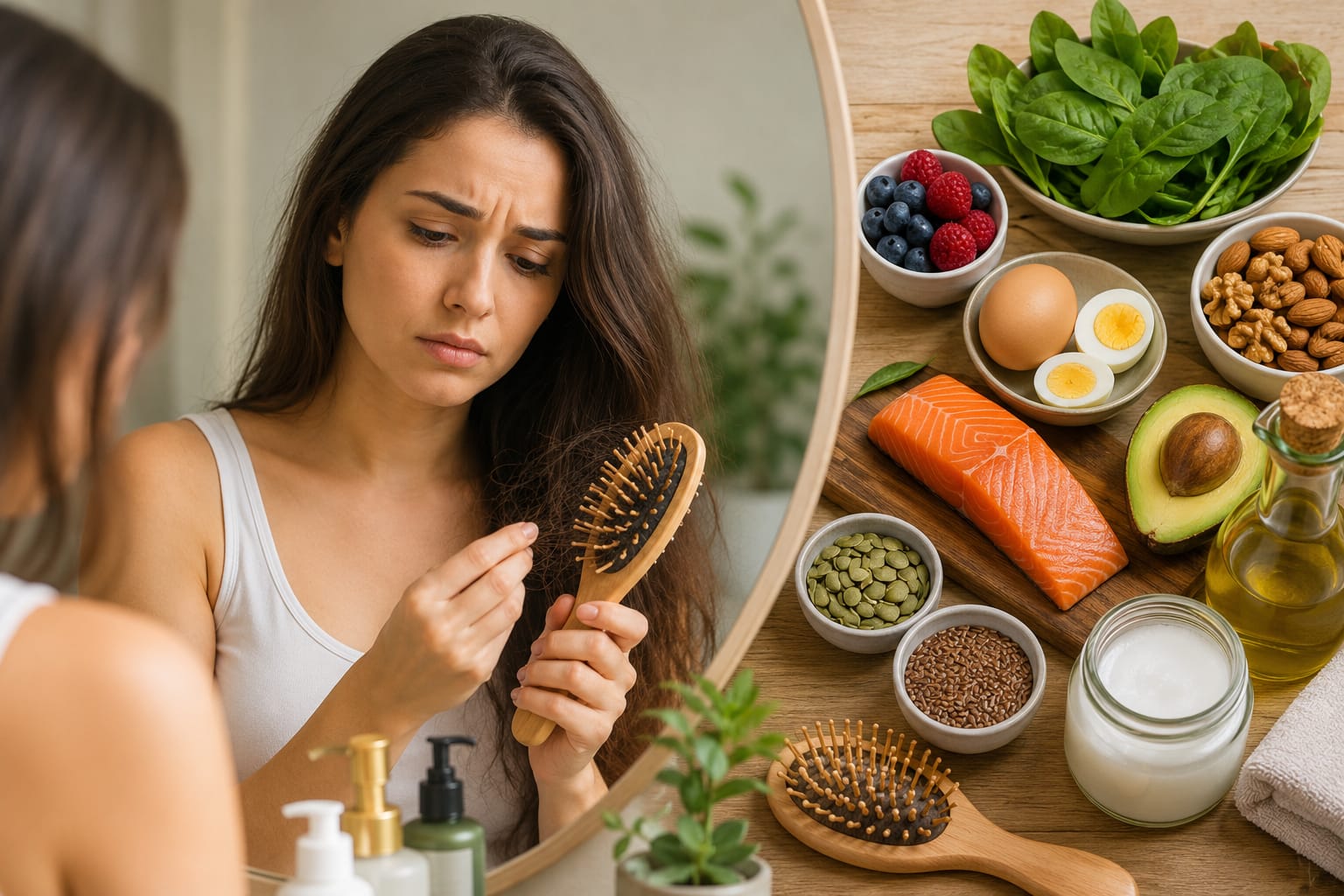
Have you noticed more hair than usual on your pillow, in the shower, or tangled in your hairbrush? It can be frustrating and even stressful. Many people immediately start looking for expensive shampoos, hair oils, or supplements, hoping for a quick solution.
The truth is that hair fall is a common problem affecting both men and women. Losing 50 to 100 hairs a day is considered normal because your hair naturally grows, rests, and sheds as part of its normal life cycle. However, if you’re noticing excessive shedding, thinning hair, or widening part lines, it may be time to look at the possible causes.
In many cases, simple lifestyle changes and healthy habits may help reduce hair fall over time. While home remedies cannot cure every type of hair loss, they can support a healthy scalp and stronger hair when combined with proper nutrition and good hair care.
In this article, you’ll discover science-backed home remedies, common causes of hair fall, and signs that mean it’s time to see a healthcare professional.
What Causes Hair Fall?
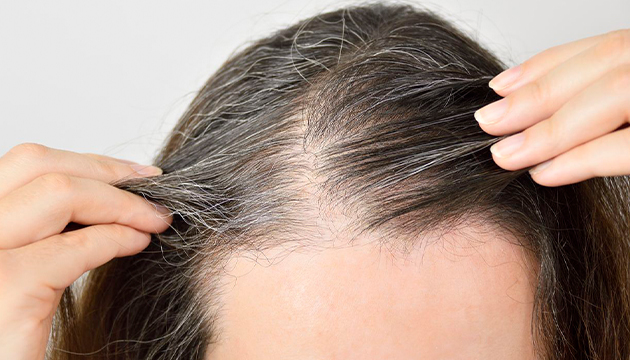
Hair loss doesn’t usually happen for just one reason. Several factors can contribute to excessive shedding.
Some of the most common causes include:
Poor nutrition and low protein intake
Iron deficiency
Vitamin D deficiency
Zinc deficiency
Severe stress or emotional shock
Hormonal changes
Thyroid disorders
Certain medications
Tight hairstyles that pull on the hair
Frequent heat styling or harsh chemical treatments
Aging
Genetics (family history of hair loss)
Finding the underlying cause is often more important than trying every product available.
Eat Enough Protein Every Day
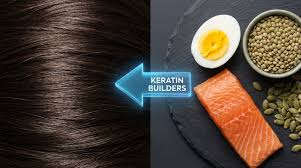
Hair is made primarily of a protein called keratin. If your body doesn’t get enough protein, it may prioritize essential organs over hair growth.
Good protein sources include:
Eggs
Chicken
Fish
Lentils
Beans
Greek yogurt
Cottage cheese
Tofu
Nuts and seeds
Aim to include a source of protein with each main meal.
Gently Massage Your Scalp
A gentle scalp massage may help improve blood circulation to the scalp and create a relaxing routine that supports overall scalp health.
Using your fingertips, massage your scalp in small circular motions for 5–10 minutes a day. If you choose to use oil, massage gently rather than rubbing aggressively, which can increase hair breakage.
Try Coconut Oil Before Washing
Coconut oil has been studied for its ability to reduce protein loss from hair in some people. Applying a small amount before shampooing may help protect the hair shaft and reduce breakage.
How to use it:
Warm a small amount of virgin coconut oil.
Massage it gently into your scalp and hair.
Leave it on for 30–60 minutes before washing.
Wash with a mild shampoo.
If you have an oily scalp or dandruff, coconut oil may not be suitable for everyone, so pay attention to how your scalp responds.
Eat More Iron-Rich Foods
Iron deficiency is one of the most common nutritional reasons for increased hair shedding, especially in women.
Foods rich in iron include:
Lean meat
Spinach
Lentils
Chickpeas
Pumpkin seeds
Fortified cereals
Vitamin C-rich foods such as oranges, strawberries, and bell peppers may help improve iron absorption when eaten with iron-rich meals.
Manage Stress
Stress doesn’t just affect your mind—it can also affect your hair.
A stressful event, illness, surgery, or emotional shock may trigger temporary hair shedding several weeks later, a condition known as telogen effluvium.
Simple stress-management habits include:
Walking outdoors
Deep breathing exercises
Prayer or meditation
Good-quality sleep
Talking to supportive friends or family
Regular physical activity
Reducing stress won’t stop hair fall overnight, but it may help support healthier hair growth over time.
Avoid Tight Hairstyles
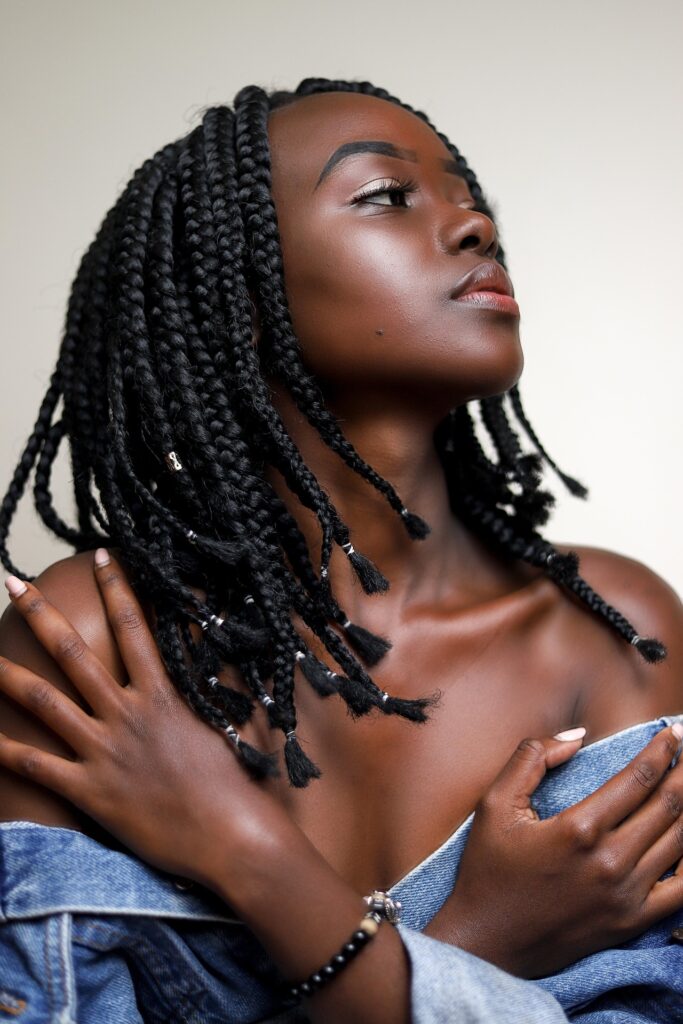
Constant pulling from tight ponytails, buns, braids, or hair extensions may damage hair follicles over time.
Whenever possible:
Wear loose hairstyles.
Avoid pulling hair tightly every day.
Use soft fabric hair ties instead of elastic bands.
Give your hair regular breaks from tight styling.
This simple habit may reduce unnecessary hair breakage and traction-related hair loss.
Limit Heat Styling and Harsh Chemical Treatments
Frequent use of hair straighteners, curling irons, blow dryers, bleaching, and chemical treatments can weaken the hair shaft, making it more likely to break.
If you regularly use heat styling tools:
Apply a heat protectant before styling.
Use the lowest effective heat setting.
Avoid using heat every day.
Let your hair air-dry whenever possible.
Giving your hair regular breaks from heat can help reduce breakage over time.
Wash Your Hair Gently
Many people believe washing their hair causes hair fall. In reality, shampooing simply removes hairs that have already entered the shedding phase.
To protect your hair:
Use a mild shampoo suitable for your scalp type.
Avoid scratching your scalp with your nails.
Massage shampoo gently using your fingertips.
Rinse thoroughly with lukewarm water instead of very hot water.
Clean hair and a healthy scalp create a better environment for healthy hair growth.
Get Enough Sleep
Your body repairs itself while you sleep, including tissues involved in healthy hair growth.
Adults should aim for 7–9 hours of quality sleep each night.
Poor sleep may increase stress hormones, which can indirectly contribute to increased hair shedding in some people.
Creating a regular sleep schedule may benefit both your overall health and your hair.
Stay Hydrated
Hair needs a healthy scalp to grow well, and staying hydrated supports your body’s normal functions.
While drinking more water alone won’t stop hair loss, dehydration may affect your overall health and scalp condition.
A simple habit is to drink water regularly throughout the day, especially during hot weather or physical activity.
Best Foods That Support Healthy Hair
Healthy hair starts from within. A balanced diet provides the nutrients your hair follicles need.
Include foods such as:
Eggs
Salmon
Chicken
Lentils
Beans
Spinach
Sweet potatoes
Berries
Greek yogurt
Nuts
Seeds
Avocados
These foods provide protein, healthy fats, vitamins, and minerals that support overall hair health.
Nutrients That Play an Important Role
Several nutrient deficiencies have been linked with hair loss in some people.
These include:
Iron
Vitamin D
Zinc
Vitamin B12
Protein
However, supplements are not necessary for everyone. If you suspect a deficiency, it’s best to speak with a healthcare professional before taking high-dose supplements.
Common Hair Care Mistakes
Small daily habits can make a difference.
Try to avoid:
Tight ponytails every day
Excessive brushing
Very hot water
Frequent bleaching
Using too many styling products
Crash dieting
Skipping meals
Smoking
Healthy hair usually benefits from gentle care and a balanced lifestyle rather than harsh treatments.
When Should You See a Doctor?
Home remedies may help support healthy hair, but medical evaluation is important if you notice:
Hair falling out in large clumps
Sudden severe hair loss
Bald patches
Persistent scalp pain, redness, or swelling
Hair loss after starting a new medication
Hair loss along with unexplained weight changes, fatigue, or irregular periods
A healthcare professional may recommend blood tests or other evaluations to identify underlying causes such as iron deficiency, thyroid disorders, hormonal changes, or nutritional deficiencies.
Final Thoughts
Hair fall can feel discouraging, but in many cases it isn’t permanent. Healthy hair usually reflects overall health, which means good nutrition, quality sleep, stress management, and gentle hair care all play an important role.
There is no overnight cure for hair loss, and products that promise instant results should be viewed with caution. Instead, focus on building healthy daily habits that support your scalp and hair over time.
If your hair loss is severe, persistent, or associated with other symptoms, don’t ignore it. Finding and treating the underlying cause is often the most effective step toward healthier hair.
Frequently Asked Questions
Can home remedies completely stop hair fall?
Not always. Home remedies may help reduce hair breakage and support healthier hair, but they may not treat medical conditions causing hair loss.
Is it normal to lose hair every day?
Yes. Most people naturally lose around 50–100 hairs each day as part of the normal hair growth cycle.
Which oil is best for hair fall?
Coconut oil may help reduce protein loss from hair in some people. However, no hair oil has been proven to cure all types of hair loss.
Can stress really cause hair loss?
Yes. Significant physical or emotional stress can trigger temporary hair shedding known as telogen effluvium.
Which vitamin deficiency causes hair fall?
Hair loss has been associated with deficiencies in iron, vitamin D, zinc, vitamin B12, and inadequate protein intake in some individuals.
Medical Disclaimer
This article is for educational purposes only and should not be considered medical advice. Hair loss can have many causes, including medical conditions that require diagnosis and treatment. If you experience severe, sudden, or persistent hair loss, consult a qualified healthcare professional for a proper evaluation.
You May Also Like
10 Warning Signs of Magnesium Deficiency You Should Never Ignore
10 Foods That May Be Harming Your Kidneys Without You Realizing