Book Appointment Now
10 Signs of Iron Deficiency Women Should Never Ignore
It often starts quietly.
You feel tired after a normal day. Climbing stairs feels harder than before. Your hair seems to fall more. Maybe you blame stress, poor sleep, or a busy routine.
Sometimes that is true.
But sometimes, these small changes may be signs of low iron.
Iron deficiency is especially important for women because monthly periods, pregnancy, breastfeeding, low iron intake, and certain digestive problems can increase the risk. Women with heavy menstrual bleeding are among the groups more likely to develop low iron levels.
The symptoms can be mild at first. Easy to miss. As iron levels continue to fall, the body may struggle to make enough healthy hemoglobin, the part of red blood cells that carries oxygen around the body.
Here are 10 important iron deficiency symptoms in women that should not be ignored.
What Is Iron Deficiency?
Iron deficiency happens when the body does not have enough stored iron to meet its needs.
Iron is needed to make hemoglobin. Hemoglobin helps red blood cells carry oxygen from the lungs to the rest of the body. When iron stores become very low, hemoglobin may also fall, leading to iron deficiency anemia.
A person may have low iron before full anemia develops. That is why early testing matters.
Why Is Iron Deficiency Common in Women?
Women may be more likely to develop iron deficiency because of:
Heavy or long menstrual periods
Pregnancy
Breastfeeding
Blood loss during childbirth
A diet low in iron
Digestive conditions that reduce iron absorption
Frequent blood donation
Bleeding from the stomach or intestines
Heavy periods and pregnancy are common causes of iron deficiency anemia, while conditions such as celiac disease, Crohn’s disease, stomach surgery, and long-term bleeding may also reduce iron levels.
10 Signs of Iron Deficiency in Women
1.Constant Tiredness
You sleep. You rest. Still, your body feels drained.
Ongoing tiredness is one of the most common iron deficiency symptoms. When hemoglobin is low, less oxygen reaches the tissues. The body has to work harder, and normal tasks may feel exhausting.
This tiredness may feel different from normal sleepiness. It can affect work, exercise, focus, and daily life.
2.Shortness of Breath
Do you feel breathless while walking, climbing stairs, or doing simple housework?
Low iron may reduce the amount of oxygen carried in the blood. As a result, breathing may become faster or more difficult during activity.
Sudden or severe shortness of breath should always be checked quickly, especially if it comes with chest pain or fainting.
3.Pale Skin
Paler-than-usual skin can be a visible sign of iron deficiency anemia.
Some women first notice it in the face, lips, gums, lower eyelids, or nail beds. Pale skin happens because hemoglobin gives blood its red colour, and lower hemoglobin can make the skin look less healthy or less pink.
Skin tone varies, so this sign may be easier to notice by comparing current appearance with your normal colour.
4. Headaches or Dizziness
Frequent headaches, light-headedness, or dizziness may happen when the brain receives less oxygen than usual.
You may feel dizzy after standing up quickly. Or you may notice headaches that appear without a clear reason. Low iron is not the only cause, but it is one possibility that should be considered.
5.Noticeable Heartbeats
A racing, pounding, or fluttering heartbeat can feel frightening.
These noticeable heartbeats are called palpitations. When oxygen delivery is reduced, the heart may work harder to move blood around the body. Palpitations are a recognised symptom of iron deficiency anemia.
Seek urgent medical help if palpitations come with chest pain, fainting, or severe breathing difficulty.
6.Hair Loss
Finding more hair than usual on your brush, pillow, or shower floor can be upsetting.
Hair loss has many possible causes, including stress, hormonal changes, thyroid problems, poor nutrition, and illness. Low iron may also be linked with increased hair shedding in some people.
Do not assume iron is the cause without testing. Hair loss needs a proper assessment.
7.Weak or Brittle Nails
Nails may become thin, weak, or easy to break.
In more noticeable cases, they may develop a spoon-like shape, where the centre appears lower and the edges rise. Nail changes are listed among the less common signs of iron deficiency anemia.
This does not happen in everyone, but it is worth mentioning to a doctor if it appears with fatigue or heavy periods.
8.Poor Concentration
You read the same sentence twice. You forget small things. Work feels harder.
Low iron may affect attention, thinking, memory, and concentration. The NIH notes that people with iron deficiency anemia may experience difficulty concentrating, along with fatigue and weakness.
Again, many things can cause brain fog. But when it appears with other low iron symptoms, a blood test may be useful.
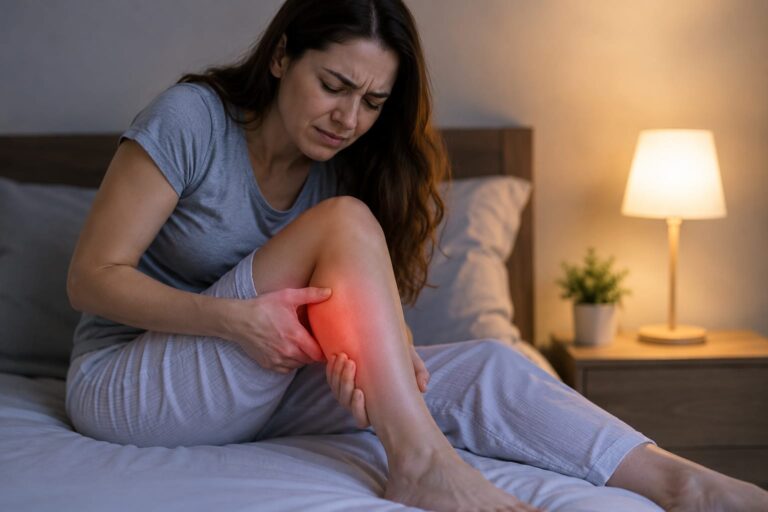
9.Restless Legs
Restless legs can create a strong urge to move the legs, especially while sitting or lying down.
Some people describe crawling, pulling, or uncomfortable feelings in the legs. Restless legs syndrome is included among the possible symptoms linked with low iron and iron deficiency anemia.
Symptoms are often worse at night and may disturb sleep.
10.Craving Ice or Non-Food Items
This sign surprises many people.
Some women with iron deficiency develop unusual cravings for ice, paper, clay, or other non-food items. This is called pica. It is a recognised sign of iron deficiency anemia.
A strong craving for ice may seem harmless, but it should not be ignored.
Other Possible Signs of Low Iron
Iron deficiency may also be linked with:
A sore or inflamed tongue
Cracks at the corners of the mouth
Feeling weak during exercise
Food tasting unusual
Trouble swallowing
Feeling cold more often
Lower physical stamina
Not every woman will have the same symptoms. Mild deficiency may cause no clear symptoms at all, and signs often develop slowly.
How Is Iron Deficiency Diagnosed?
Symptoms alone cannot confirm iron deficiency.
A healthcare professional may order:
A complete blood count
Hemoglobin testing
Serum ferritin
Serum iron
Total iron-binding capacity
Other tests to look for blood loss or absorption problems
Ferritin is an important marker of stored iron and is commonly used to assess iron status, though inflammation can affect the result.
This is why self-diagnosis is not a good idea.
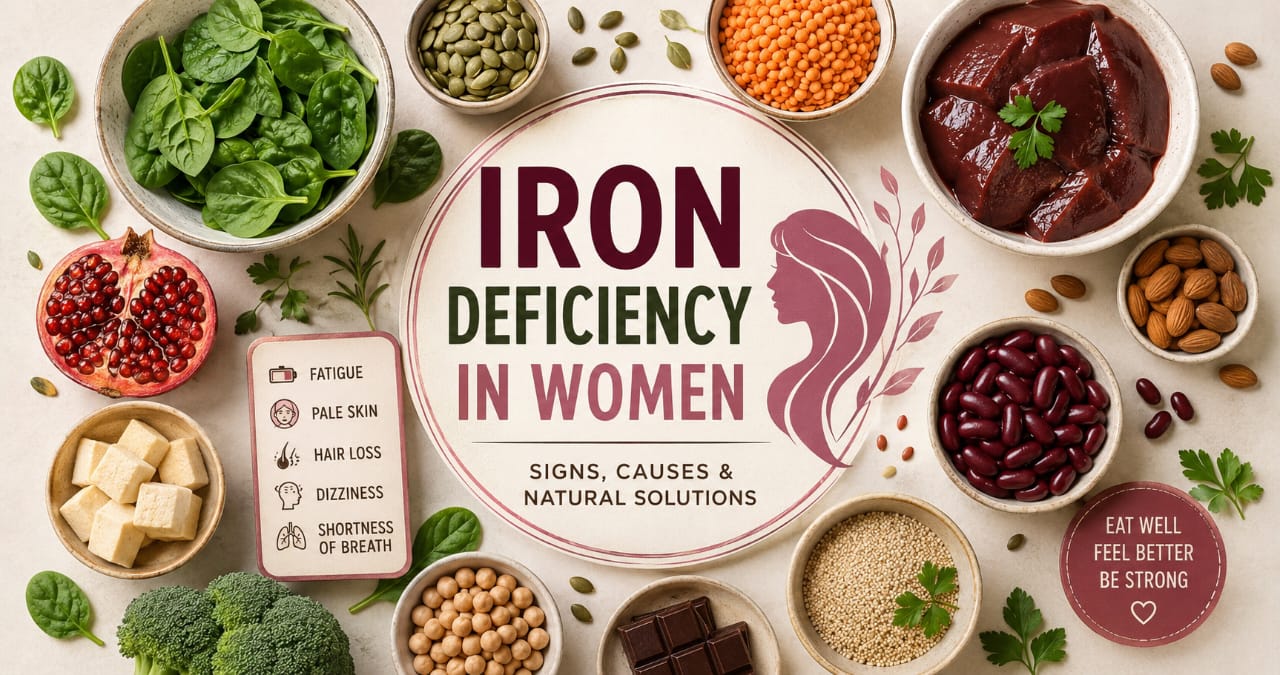
Best Iron-Rich Foods for Women
Food can help support healthy iron levels, especially when the cause is low dietary intake.
Good sources include:
Lean red meat
Chicken
Fish
Lentils
Chickpeas
Kidney beans
Spinach
Broccoli
Fortified breakfast cereals
Pumpkin seeds
Nuts
Dried apricots
Raisins
Plant-based iron is not absorbed as easily as iron from animal foods. Pairing plant sources with vitamin C may help the body absorb more iron. For example, eat lentils with tomatoes, spinach with lemon, or fortified cereal with berries.
Tea and coffee taken close to meals may reduce iron absorption, so it may help to leave some time between them and iron-rich meals.
Should You Take Iron Supplements?
Do not start iron tablets just because you feel tired.
Too much iron can be harmful, and the correct treatment depends on the cause. A doctor may recommend iron supplements if blood tests confirm low iron or iron deficiency anemia. The cause should also be investigated, especially when blood loss is possible.
Iron tablets may cause:
Constipation
Diarrhea
Stomach pain
Nausea
Heartburn
Dark stools
Always follow medical advice about the dose and duration.
When Should You See a Doctor?
Book a medical appointment if you have:
Ongoing fatigue
Heavy or long periods
Shortness of breath
Frequent dizziness
Hair loss with weakness
Palpitations
Pale skin
Unusual cravings
Restless legs
Symptoms lasting more than a few weeks
Seek urgent help for chest pain, fainting, severe shortness of breath, black stools, or heavy uncontrolled bleeding.
Frequently Asked Questions
What are the first signs of iron deficiency in women?
Early signs may include tiredness, weakness, headaches, poor concentration, dizziness, and reduced exercise ability. Mild deficiency may cause no obvious symptoms.
Can iron deficiency cause hair loss?
Low iron may contribute to hair shedding in some people, but hair loss has many causes. Blood testing and medical assessment are important before treatment.
Can heavy periods cause low iron?
Yes. Heavy or long menstrual bleeding is a common cause of iron deficiency in women because repeated blood loss also removes iron from the body.
What is the best test for low iron?
A healthcare professional may check a complete blood count and ferritin level, along with other iron tests. Ferritin is widely used to assess stored iron.
How can women increase iron naturally?
Eat more iron-rich foods and pair plant-based iron with vitamin C. Avoid tea and coffee close to iron-rich meals, and ask a doctor whether testing or supplements are needed.
Final Thoughts
Iron deficiency symptoms in women can be easy to overlook.
A little tiredness. A little dizziness. More hair in the brush. At first, none of it feels serious.
But the body often whispers before it shouts.
If several signs appear together, especially with heavy periods, pregnancy, a restricted diet, or digestive problems, speak with a healthcare professional. A simple blood test can help find the cause and guide the right treatment.
You may also like our guide on magnesium deficiency symptoms.
Do not guess. Do not take high-dose iron without advice.
Get checked.
Prefer watching instead of reading? Visit the Dr Max English YouTube channel for easy-to-understand health videos in English. If you prefer Urdu, visit the Dr Max Hindi YouTube channel for health information explained in simple Urdu.
Medical Disclaimer: This article is for general education only. It is not a substitute for medical advice, diagnosis, or treatment. Always consult a qualified healthcare professional about symptoms, testing, or supplements.