
The Science Behind Food and Cancer Protection
Modern medical research increasingly points to lifestyle choices as a major factor in long-term health, and nutrition sits at the center of this discussion. Scientists now agree that while no single food can completely prevent cancer, dietary patterns play a powerful role in reducing risk and supporting the body’s natural defense systems. Research institutions around the world continue to study how plant compounds, antioxidants, fiber, and healthy fats interact with human cells. These findings have shaped public awareness around Top 5 Foods Researchers Say Support Cancer Protection, highlighting how everyday meals can contribute to cellular stability and immune balance when consumed consistently.
Understanding How Diet Influences Cellular Health
Cancer often develops when cells undergo genetic damage and begin to grow uncontrollably. Certain foods contain bioactive compounds that help neutralize free radicals, reduce chronic inflammation, and support DNA repair processes. A balanced eating pattern rich in whole foods contributes to a healthy diet for immunity, which is essential because the immune system constantly monitors and removes abnormal cells. When immune defenses are weakened due to poor nutrition, stress, or environmental factors, the body becomes more vulnerable to disease progression.
Leafy Green Vegetables and Protective Plant Compounds
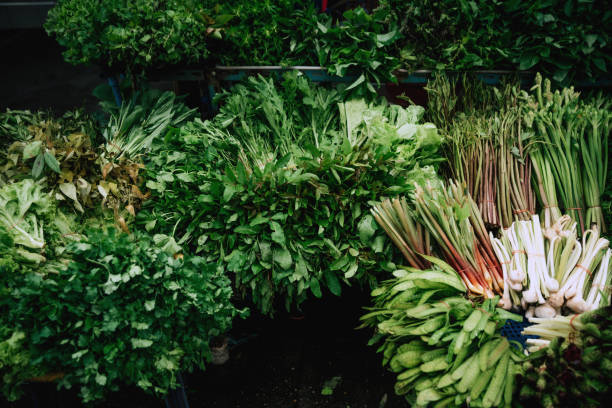
Leafy greens such as spinach, kale, and Swiss chard have gained attention in nutritional science due to their dense concentration of vitamins, minerals, and phytochemicals. These vegetables provide folate, which plays a key role in DNA synthesis and repair. They are also rich in chlorophyll, a compound shown to help block carcinogens from being absorbed in the digestive tract. Regular intake of leafy greens supports overall wellness and fits naturally into a pattern of foods that support health, particularly for individuals focused on long-term disease prevention.
Cruciferous Vegetables and Detoxification Support
Vegetables like broccoli, cauliflower, cabbage, and Brussels sprouts belong to the cruciferous family and are widely studied for their cancer-protective properties. These vegetables contain glucosinolates, which break down into biologically active compounds during digestion. These compounds help the liver neutralize toxins and support natural detoxification pathways. Researchers suggest that frequent consumption of cruciferous vegetables may lower the risk of several cancers by reducing inflammation and supporting hormonal balance at the cellular level.
Berries and Their Role in Oxidative Defense
Berries such as blueberries, strawberries, raspberries, and blackberries are well known for their high antioxidant content. Antioxidants help protect cells from oxidative stress, which is one of the primary contributors to DNA damage. Berries contain flavonoids and anthocyanins that have been shown in laboratory studies to slow tumor growth and promote healthy cell signaling. Including berries in daily meals supports anti cancer nutrition while also contributing to brain health, cardiovascular function, and metabolic balance.
Fatty Fish and Anti-Inflammatory Benefits
Chronic inflammation is now recognized as a major risk factor in the development of many diseases, including cancer. Fatty fish such as salmon, sardines, and mackerel provide omega-3 fatty acids, which are known for their anti-inflammatory properties. These healthy fats help regulate immune responses and support cell membrane integrity. Research suggests that diets containing adequate omega-3 intake may help slow abnormal cell growth and reduce inflammation-related damage, making fatty fish an important component of long-term disease-preventive nutrition.
Whole Grains and Digestive Health Protection
Whole grains including oats, brown rice, barley, and whole wheat provide dietary fiber, which plays a crucial role in digestive health. Fiber helps regulate blood sugar, supports beneficial gut bacteria, and aids in the removal of waste from the body. A healthy gut environment is linked to stronger immune responses and reduced inflammation. Studies have shown that higher fiber intake is associated with a lower risk of colorectal cancer, reinforcing the importance of whole grains in cancer prevention foods strategies.
Legumes and Plant-Based Protein Advantages
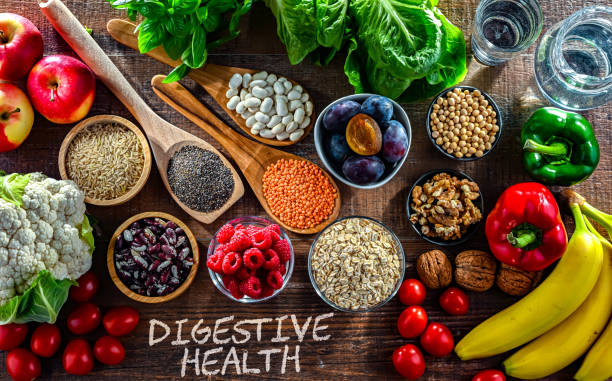
Beans, lentils, and chickpeas offer plant-based protein along with fiber, minerals, and antioxidant compounds. These foods support blood sugar control and reduce insulin spikes, which are linked to increased cancer risk when consistently elevated. Legumes also contain polyphenols that help protect cells from oxidative damage. Researchers emphasize that replacing some animal proteins with legumes can improve metabolic health and support immune regulation over time.
Immune Support Through Nutrient Synergy
What makes nutrition especially powerful is not individual foods alone, but how nutrients work together within the body. Vitamins, minerals, antioxidants, and healthy fats interact to strengthen immune responses and maintain cellular balance. Diets centered on whole, minimally processed foods contribute to stable energy levels and enhanced disease resistance. This nutrient synergy explains why researchers emphasize dietary patterns rather than isolated supplements when discussing immune boosting foods and long-term cancer protection.
Building Sustainable Eating Habits for the Future
The future of cancer prevention research continues to highlight the importance of sustainable, balanced eating habits rather than restrictive diets. Consistency matters more than perfection, and small daily choices accumulate into long-term benefits. By focusing on plant-rich meals, healthy fats, and fiber-dense foods, individuals can support immune function and cellular health naturally. As scientific evidence continues to grow, nutrition remains one of the most accessible tools for supporting wellness and reducing disease risk across populations.
For more information visit https://drmaxenglish.com/winter-health-tips-to-stay-safe-from-cold/