

Dandruff Home Remedies: Remedies That Work Wonders
You’ve probably had that moment when you brush your hair and notice white specks drifting onto your shirt. It’s frustrating, especially before a big event or a casual day out. Dandruff can make you feel self-conscious, but you don’t need expensive products to fix it. Simple dandruff home remedies using ingredients from your kitchen can clear up flakes and soothe your scalp. These natural solutions tackle root causes like excess oil, fungal growth, or dryness, helping you regain confidence.
Years ago, I dealt with a stubborn dandruff flare-up during a stressful exam season. Flakes covered my dark jacket, and the itch drove me nuts. A friend suggested a curd mask, and it worked like magic overnight. That experience taught me the power of home remedies. Let’s explore what causes dandruff, how to treat it with proven dandruff remedies at home, and ways to keep your scalp flake-free for good. You’ll find practical tips that fit your busy life.
What Triggers Scalp Flakes Daily?
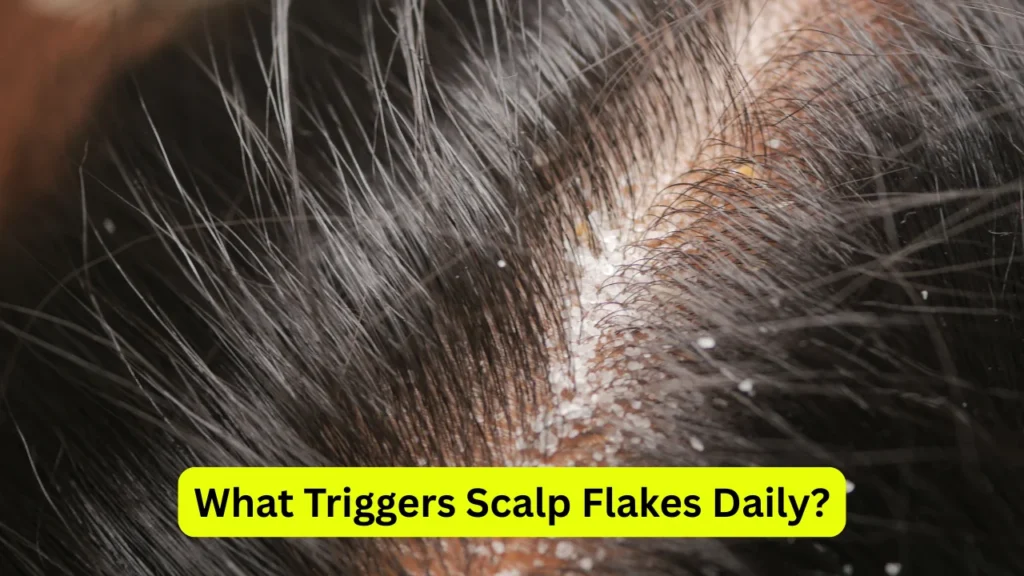
Dandruff isn’t just dry skin—it’s a condition affecting millions worldwide. Your scalp sheds cells too quickly, leading to visible flakes. It often comes with itchiness, especially near the hairline. Understanding the triggers helps you choose the right dandruff treatment at home.
Excess Oil Fuels Flake Formation
Your scalp produces sebum to keep skin hydrated, but too much feeds a yeast called Malassezia. This fungus, present on everyone’s scalp, can overgrow, causing irritation and flakes. Hormonal changes or stress boost oil production, making things worse. Oily scalps often show yellow, sticky clumps rather than dry specks.
Dry Air Worsens Scalp Conditions
Cold weather or low humidity strips moisture from your scalp, leading to small, white flakes. Harsh shampoos can dry skin further, speeding up cell turnover. If your flakes scatter easily, dryness might be the culprit. Moisturizing remedies like aloe vera help restore balance.
Fungal Overgrowth Sparks Persistent Itch
Malassezia thrives in warm, oily environments, breaking down sebum into irritating compounds. This triggers inflammation, causing your scalp to shed cells faster. Probiotics in foods like yogurt can reduce fungal activity. Regular washing with gentle cleansers keeps this yeast in check.
Stress Amplifies Scalp Flake Problems
High stress levels spike cortisol, which ramps up oil production and inflammation. Scratching spreads flakes and worsens irritation. Simple stress-relief habits, like short walks or deep breathing, calm your body and scalp, boosting the effects of dandruff home remedies.
Spotting Dandruff Early Saves Time
Catching dandruff early lets you act before it snowballs. Look for white or yellow specks on your clothes after brushing your hair. Mild itchiness or redness around follicles signals the start. Acting fast with a home remedy for dandruff prevents bigger issues.
Daily Scalp Monitoring Made Simple
Each morning, gently brush your hair over a light-colored towel to check for flakes. Feel for tightness or small bumps on your scalp. These signs guide you toward the best dandruff removal at home approach. Consistent checks keep you ahead of flare-ups.
Persistent Itch Needs Quick Action
If itching doesn’t stop after a day or two, it’s time to act. Constant scratching can lead to sores, letting bacteria in. A cool compress soothes the urge while you apply a dandruff solution like curd or aloe vera to calm inflammation.
Flake Texture Reveals Scalp Type
Dry flakes are small and powdery, often from cold air or harsh products. Greasy, yellow clumps point to excess oil and fungal activity. Identifying the texture helps you pick the right treatment, like lemon for oily scalps or oils for dry ones.
Flakes Spreading Beyond Your Scalp
Dandruff can appear in eyebrows, beards, or even ears, hinting at seborrheic dermatitis. Check these areas in bright light. Treating your scalp with consistent dandruff remedies at home prevents flakes from spreading to other spots.
| Symptom | Description | Likely Cause | Home Check Method |
|---|---|---|---|
| Dry Flakes | Small, white, loose specks | Dry air, harsh shampoos | Flakes fall easily after rubbing scalp |
| Oily Flakes | Yellow, sticky clumps | Excess sebum, fungal growth | Hair feels greasy within days of washing |
| Itchy Spots | Red, irritated patches | Yeast overgrowth, stress | Pressing scalp causes slight discomfort |
| Widespread Flakes | Flakes on brows or beard | Seborrheic dermatitis | Mirror check shows flakes beyond scalp |
This chart helps you identify dandruff symptoms quickly to choose the best remedy.
Curd Based Remedies Work Wonders
Curd is a powerhouse for dandruff home remedies curd options. Its probiotics balance scalp bacteria, while lactic acid gently exfoliates. You get a hydrated, flake-free scalp without harsh chemicals. It’s easy to apply and budget-friendly.
Basic Curd Mask for Beginners
Take plain curd and spread it evenly on your damp scalp. Massage gently into the roots for a couple of minutes. Let it sit for ten minutes, then rinse with cool water. Use this twice a week for quick relief from itch and flakes.
Yogurt Honey Blend for Hydration
Mix Greek yogurt with a tablespoon of honey for a dandruff home remedies yogurt twist. Apply after lightly oiling your hair to lock in moisture. Leave it on overnight and rinse in the morning. This works well for dry, brittle scalps.
Curd Lemon Combo Cuts Oil
Stir fresh lemon juice into curd for an oily scalp fix. The citric acid breaks down excess sebum. Apply the mix, wait five minutes, and rinse thoroughly. This dandruff remedies with curd option leaves your scalp fresh and balanced.
Curd Soothes Sensitive Scalp Types
For sensitive scalps, plain curd is gentle enough to calm redness without irritation. Use full-fat curd for extra creaminess. Apply, let it sit briefly, and pat dry softly. It builds a protective layer against daily irritants.
Aloe Vera Calms Itchy Scalps
Aloe vera’s cooling gel is a star in dandruff home remedies with aloe vera. Its enzymes gently dissolve dead skin, reducing flakes without drying your scalp. The soothing effect eases itchiness almost instantly, perfect for inflamed skin.
Extracting Fresh Aloe Gel Easily
Snip a leaf from an aloe plant and scoop out the clear gel. Blend it for a smooth texture. Apply to a clean scalp and leave for twenty minutes. Rinse with mild shampoo. Fresh gel outperforms store-bought versions every time.
Aloe Coconut Oil Deep Treatment
Combine aloe gel with warm coconut oil for a nourishing mask. Massage it into your scalp in circular motions. Cover with a shower cap and leave overnight. Shampoo out in the morning for a hydrated, flake-free scalp.
Aloe Vinegar Rinse for Balance
Mix aloe gel with diluted apple cider vinegar. Spray it on after shampooing to restore your scalp’s pH. It absorbs quickly, leaving no residue. Use weekly to maintain a healthy scalp environment.
Daily Aloe Spot Treatment Plan
Dab small amounts of aloe gel on itchy spots every day. It sinks in fast without greasiness. Pair with gentle combing to keep flakes away between washes. Ideal for quick dandruff home remedies shorts.
Coconut Oil Fights Fungal Flakes
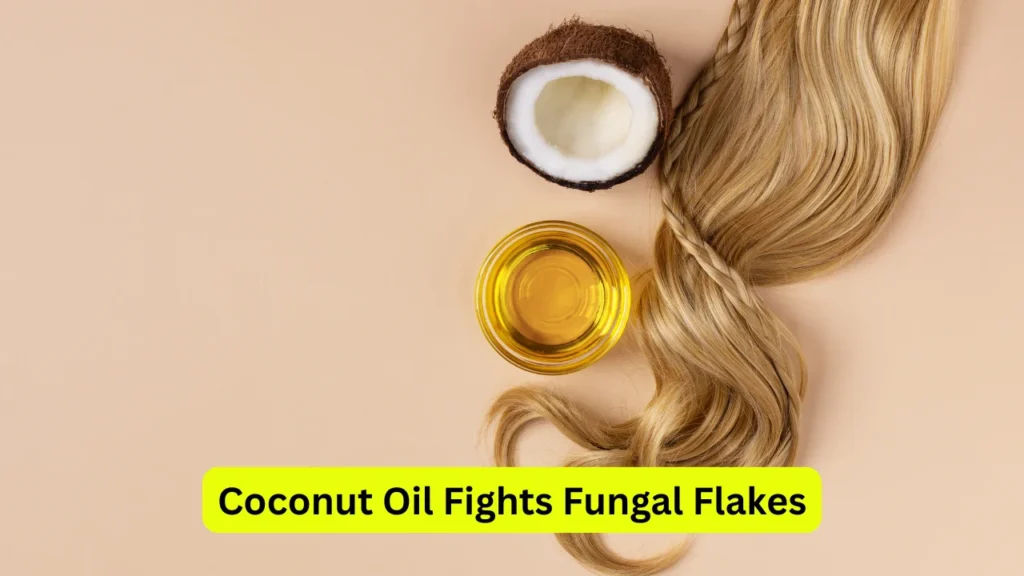
Coconut oil’s lauric acid targets fungal growth, making it a top pick for dandruff remedies for hair. It penetrates deep to hydrate and strengthen hair. You’ll notice fewer flakes and less breakage with regular use.
Warm Coconut Oil Scalp Massage
Warm two tablespoons of virgin coconut oil until lukewarm. Part your hair and massage into the scalp for five minutes. Wrap in a warm towel for thirty minutes, then shampoo twice. This locks in moisture effectively.
Coconut Lemon Mix for Oiliness
Add fresh lemon juice to coconut oil to tackle greasy scalps. Apply only to the roots and leave for fifteen minutes. Rinse thoroughly with cool water. This blend is perfect for controlling excess sebum.
Overnight Coconut Oil Soak
Apply coconut oil to your dry scalp before bed. Tie your hair loosely to avoid mess. Wash out in the morning with a mild shampoo. Your scalp wakes up soft and flake-free.
Coconut Oil for Winter Protection
Winter air dries out your scalp, worsening flakes. Apply coconut oil to seal in moisture overnight. Add a drop of tea tree oil for extra antifungal power. Reapply as needed during cold months.
| Remedy | Main Ingredient | Application Time | Best Scalp Type | Use Frequency |
|---|---|---|---|---|
| Curd Mask | Plain curd | 10 minutes | Sensitive, dry | Twice weekly |
| Aloe Gel | Fresh aloe vera | 20 minutes | Itchy, inflamed | Daily spot use |
| Coconut Oil | Virgin coconut oil | 30 minutes | Oily, fungal | Once weekly |
| Yogurt Mix | Greek yogurt | Overnight | Dry, brittle | Every two weeks |
| Lemon Oil | Lemon juice | 15 minutes | Greasy buildup | As needed |
This chart compares remedies to help you pick the best for your scalp type.
Apple Cider Vinegar Scalp Rinse
Apple cider vinegar balances your scalp’s pH and fights yeast effectively. It’s a simple dandruff removal at home solution with antimicrobial properties. Your hair gains shine, and flakes reduce after just one use.
Basic Vinegar Rinse for Starters
Mix equal parts apple cider vinegar and water. Pour over your scalp after shampooing. Massage gently for two minutes, then rinse with cool water. Use with every wash for consistent results.
Vinegar Tea Tree Oil Boost
Add five drops of tea tree oil to your vinegar mix. Shake well and use as a final rinse. The antifungal properties double up, leaving your scalp refreshed. The scent fades quickly.
Deep Clean Vinegar for Stubborn Flakes
For heavy buildup, apply undiluted vinegar to flaky spots with a cotton pad. Wait five minutes, then rinse and condition. This clears tough flakes but limit to weekly use.
Vinegar Safe for Colored Hair
Dilute vinegar extra for dyed hair to avoid stripping color. It restores shine lost to flakes. Test on a small strand first to ensure compatibility with your dye.
Baking Soda Exfoliates Gently
Baking soda scrubs away dead skin without harshness. It doubles as a dry shampoo alternative, neutralizing odors. You get a clean scalp feel without needing a full wash.
Baking Soda Shampoo Mix In
Add one teaspoon of baking soda to your regular shampoo. Lather onto wet hair, focusing on the scalp. Rinse quickly to avoid dryness. Use once a week for best results.
Baking Soda Paste for Spots
Mix baking soda with water to form a thick paste. Apply to flaky areas and let dry for five minutes. Brush out gently with a soft comb. Targets stubborn patches effectively.
Baking Soda for Greasy Roots
Sprinkle dry baking soda on oily roots mid-day. Massage lightly and shake out excess. It absorbs grease fast, perfect for quick touch-ups between washes.
Baking Soda Vinegar Combo
Blend baking soda into a diluted vinegar rinse for a fizzy scrub. Apply, wait two minutes, and rinse. This deep-cleans pores without stripping natural oils.
Lemon Juice Balances Scalp Naturally
Lemon’s citric acid dissolves excess oil quickly, making it a great dandruff solution. Its vitamin C promotes healing, and the fresh scent uplifts. Use carefully to avoid irritation.
Fresh Lemon Scalp Application
Cut a lemon and rub the juicy side on your scalp. Let it sit for ten minutes, then shampoo out. Use in the evening to avoid sun exposure, which can irritate.
Lemon Honey Mask for Comfort
Mix fresh lemon juice with a tablespoon of honey. Spread evenly on your scalp and wait fifteen minutes. Rinse for a soothed, hydrated scalp. Great for sensitive skin.
Lemon Enhances Blonde Hair Shine
For blondes, lemon juice boosts highlights while treating dandruff. Dilute in water as a rinse to avoid brassiness. Use weekly for vibrant, flake-free hair.
Lemon Salt Scrub with Caution
Add a pinch of salt to lemon juice for a gentle scrub. Rub lightly on flaky spots, avoiding cuts. Follow with coconut oil to prevent dryness.
Tea Tree Oil Kills Fungus Fast
Tea tree oil’s antifungal properties target Malassezia directly. It’s potent, so always dilute it. This Australian oil clears flakes in weeks with regular use.
Tea Tree Shampoo Drop Method
Add five drops of tea tree oil to your shampoo bottle. Shake well before each use. Lather onto your scalp for a fresh, antifungal wash. Use two to three times weekly.
Tea Tree Carrier Oil Blend
Mix tea tree oil with olive oil in equal parts. Massage into your scalp and leave for thirty minutes. Rinse easily to avoid irritation. Soothes while treating.
Tea Tree for Beard Dandruff
Men can apply diluted tea tree oil to facial hair. Comb through for even coverage. It clears beard flakes, keeping your face fresh and clean.
Weekly Tea Tree Intensive Soak
Once a week, apply a tea tree and carrier oil mix to your entire scalp. Cover with a cap and leave for an hour. Shampoo twice to reset your scalp.
Yogurt Boosts Scalp Probiotics
Yogurt’s live cultures fight bad yeast, softening flakes for easy removal. Its proteins strengthen hair, making it a budget-friendly dandruff home remedies yogurt option.
Plain Yogurt Scalp Mask Base
Apply a thick layer of plain yogurt to your scalp. Comb through to the ends. Wait twenty minutes, then rinse with cool water. Hydrates hair and scalp beautifully.
Yogurt Egg Mix for Strength
Beat one egg into yogurt for a protein-packed mask. Apply warm and leave for ten minutes. Rinse for silky, strong hair. Ideal for dandruff home remedies for women seeking volume.
Yogurt for Kids Gentle Care
For boys, thin yogurt with water for easy application. Massage in with fingers for a fun routine. Rinse quickly. It’s mild enough for young scalps.
Yogurt Ginger Circulation Boost
Grate fresh ginger into yogurt for a warming effect. Apply to stimulate blood flow. Rinse after ten minutes. Enhances scalp health and flake control.
Aspirin Loosens Stubborn Flakes
Aspirin’s salicylic acid mimics medicated shampoos, loosening flakes affordably. It reduces swelling fast, using a common household item for dandruff removal.
Crushed Aspirin Shampoo Add In
Grind two aspirin tablets into powder and mix into your shampoo. Lather onto your scalp and rinse well. Use twice a week to avoid over-drying.
Aspirin Baking Soda Spot Paste
Combine crushed aspirin with baking soda and water to form a paste. Apply to flaky spots and let dry. Brush out gently for targeted exfoliation.
Aspirin for Intense Itch Relief
For severe itch, mix three crushed tablets into a small rinse. Apply for five minutes, then moisturize. It calms inflammation quickly but use sparingly.
Aspirin Vinegar Soak for Balance
Dissolve aspirin in a diluted vinegar rinse. Pour over your scalp after washing. It balances pH while loosening flakes, preventing dryness.
| Ingredient | Benefit | Prep Time | Usage Limit | Potential Side Effect |
|---|---|---|---|---|
| Tea Tree Oil | Kills fungal growth | 2 minutes | 2-3 times weekly | Irritation if not diluted |
| Apple Cider Vinegar | Balances scalp pH | 1 minute | Every wash | Temporary strong odor |
| Baking Soda | Exfoliates dead skin | 3 minutes | Once weekly | Dryness with overuse |
| Lemon Juice | Dissolves excess oil | Instant | Twice weekly | Sun sensitivity after use |
| Aspirin Powder | Loosens stubborn flakes | 5 minutes | Twice weekly | Avoid if allergic to salicylates |
These remedies target specific dandruff issues for tailored relief.
Diet Improves Scalp Health Long Term
Your diet impacts your scalp more than you think. Omega-3s from fish reduce inflammation. Zinc in nuts fights yeast. Antioxidant-rich veggies heal skin from within.
Omega-3 Foods for Scalp Moisture
Eat salmon or mackerel twice a week. Sprinkle walnuts on oatmeal or flax seeds in smoothies. These healthy fats keep your scalp hydrated internally.
Zinc Rich Meals Stop Yeast
Include oysters for a zinc boost. Add pumpkin seeds to salads or lentils to dinners. Zinc strengthens your scalp’s defense against fungal overgrowth.
Probiotics Support Gut Scalp Link
Drink kefir each morning. Try sauerkraut as a side or kimchi for spice. Probiotics balance gut health, which reflects on your scalp.
Anti Inflammatory Veggies for Healing
Load up on spinach daily. Add berries to breakfast or turmeric to curries. These foods lower inflammation, reducing dandruff triggers over time.
Stress Relief Keeps Flakes Away
Stress tightens scalp pores, worsening flakes. Short relaxation habits calm your body and skin. You’ll notice less itching and fewer flakes with consistency.
Quick Breathing Exercises for Calm
Practice inhaling for four counts, holding for four, and exhaling for four. Do this mid-day to lower stress hormones. It supports your dandruff treatment efforts.
Hobbies Reduce Scalp Tension
Spend fifteen minutes reading each night. Try knitting or sketching on weekends. These activities shift focus from itching, calming your scalp indirectly.
Better Sleep Heals Scalp Overnight
Dim lights an hour before bed and keep your room cool. Aim for seven hours of sleep. Your scalp repairs itself while you rest, reducing flakes.
Social Connections Ease Stress Itch
Call a friend weekly for a quick chat. Share laughs to reduce tension. Less stress means fewer flakes and easier remedy success.
Customized Fixes for Every Lifestyle
Dandruff hits differently for everyone. Women deal with hormonal shifts, men battle beard flakes, and kids need gentle care. Tailor your dandruff home remedies for men, women, or boys for best results.
Remedies for Women’s Scalp Needs
Hormonal changes, like during pregnancy, increase scalp oil. Use aloe vera blends for gentle care. Omega-3 supplements balance hormones, safe for dyed hair.
Remedies for Men’s Beard and Scalp
Men, your beards trap flakes easily. Apply diluted tea tree oil to facial hair. Short hair benefits from quick washes. Zinc foods support scalp health.
Gentle Remedies for Boys’ Scalps
For boys, dandruff home remedies for boys should be fun and mild. Thin yogurt masks are easy to apply. Quick rinses fit school mornings, building habits.
Hostel Friendly Dandruff Solutions
Dandruff remedies for hostellers need to be portable. Carry diluted vinegar in a spray bottle. Use mess hall curd for masks. Simple, no-fuss options work.
Fast Fixes for Busy Schedules
Short on time? These dandruff home remedies shorts take five minutes or less. Perfect for quick relief when you’re on the go.
Instant Vinegar Spray for Gym Days
Mix vinegar and water in a spray bottle. Mist your scalp after sweating. Towel dry for a quick flake-clearing refresh.
Dry Baking Soda Root Dust
Sprinkle baking soda on greasy roots. Massage lightly and brush out. Absorbs oil in seconds, no water needed.
Lemon Juice Spot Wipe
Dab lemon juice on itchy spots with a cotton pad. Let it air dry for a fast, refreshing fix during breaks.
Aloe Gel Quick Dab
Squeeze aloe gel onto your fingertips. Massage into flaky spots. It absorbs fast for discreet relief at work.
Tea Tree Oil Spot Drop
Apply one drop of diluted tea tree oil to problem areas. Pat gently and let it sink in. Subtle and effective.
When to Consult a Professional
Home remedies work well for mild dandruff, but persistent flakes after four weeks need a doctor’s check. Red sores, hair loss, or widespread scaling may point to psoriasis or allergies.
Signs of Serious Scalp Issues
Notice bald patches or intense pain? Family history of skin conditions? Don’t delay a professional visit. These could signal deeper problems.
Preparing for Doctor Appointments
Track your symptoms and list remedies you’ve tried. Bring product bottles to show your routine. This helps doctors diagnose faster.
Prescription Treatments to Consider
Medicated shampoos with ketoconazole target tough fungus. Topical creams reduce inflammation. Doctors tailor these to your scalp type.
Combining Home and Medical Fixes
Use coconut oil after medicated washes to maintain moisture. Check with your doctor before mixing remedies to ensure compatibility.
| Do This | Don’t Do This | Why It Works |
|---|---|---|
| Wash hair regularly with mild shampoo | Scrub scalp harshly during washes | Gently removes buildup without irritation |
| Moisturize scalp after every treatment | Ignore persistent itching for weeks | Prevents dryness and stops flare-ups |
| Eat foods rich in zinc and omega-3s | Skip stress-relief activities daily | Supports scalp health from the inside |
| Rotate different remedy types weekly | Use one remedy endlessly without change | Prevents scalp from building resistance |
| See a doctor for stubborn symptoms | Treat severe cases alone for months | Catches underlying conditions early |
These dos and don’ts guide you toward smarter scalp care for lasting results.
FAQs
What’s behind dandruff in the first place?
Dandruff happens when your scalp sheds cells too fast. Excess oil, fungal growth, dry air, or stress can trigger it. Diet and hormones also play roles.
How often should you apply home remedies?
Use remedies twice a week to start. Adjust based on how your scalp responds. Overusing can dry your skin, so watch for balance.
Can your diet really control dandruff?
Absolutely. Omega-3s from fish and zinc from nuts reduce inflammation. Probiotics in yogurt support gut health, which helps your scalp stay clear.
Are these remedies safe for dyed hair?
Most, like aloe or curd, are gentle on colored hair. Lemon juice may lighten, so dilute it. Always test a small area first.
How long before remedies show results?
Expect two to four weeks with consistent use. Track changes weekly to stay motivated. Stick with it for lasting flake relief.
Final Words
You now have a full toolbox of dandruff home remedies to tackle flakes for good. From curd masks to tea tree oil, these solutions fit any lifestyle. Choose two or three favorites and rotate them weekly. Add diet changes and stress relief for even better results. That exam-season flake disaster I faced? You won’t have to. Step out with confidence, knowing your scalp is clear and healthy.

Dr. Max is a dedicated medical professional with extensive experience in health and wellness. His approach blends clinical expertise with the latest research, offering practical insights to help individuals lead healthier, more balanced lives.
