Book Appointment Now

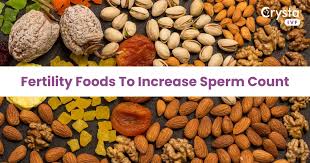
Best Foods That Naturally Improve Sperm Count and Sperm Health
Introduction: Nutrition and Male Fertility in the Modern Lifestyle
Modern lifestyles have introduced many silent challenges to reproductive wellness. Long working hours, stress, processed foods, lack of physical activity, and environmental exposure have steadily influenced hormonal balance and fertility indicators in men. Diet, however, remains one of the most controllable and powerful tools for improving reproductive potential. Scientific research increasingly confirms that specific nutrients directly support sperm production, mobility, DNA quality, and hormonal stability. Understanding how everyday food choices affect reproductive performance allows men to strengthen fertility naturally without extreme medical intervention.
The focus of this article is Best Foods That Naturally Improve Sperm Count and Sperm Health, offering a comprehensive explanation of how nutrition strengthens fertility through biological pathways. This guide also highlights the connection between diet and male reproductive health fertility boosting diet men wellness foods natural fertility support reproductive nutrition as a holistic approach to long-term wellness.
How Nutrition Influences Sperm Production and Hormonal Balance
Sperm development, known as spermatogenesis, is a continuous biological process requiring consistent nutrient availability. Vitamins, minerals, antioxidants, healthy fats, and amino acids regulate testosterone production, protect sperm cells from oxidative damage, and maintain DNA integrity. When the body lacks adequate nutrition, sperm concentration and motility may decline, and abnormal morphology becomes more likely.
Zinc plays a major role in testosterone synthesis and sperm count, while selenium supports motility and sperm membrane protection. Omega-3 fatty acids strengthen sperms cell structure and flexibility, improving their ability to travel effectively. Antioxidants such as vitamin C, vitamin E, and carotenoids neutralize free radicals that can damage reproductive cells. Balanced nutrition also stabilizes insulin levels and reduces inflammation, both of which influence hormonal signaling and fertility outcomes. By prioritizing whole foods instead of refined sugars and saturated fats, the body maintains a healthier internal environment for sperms development.
Leafy Greens and Antioxidant-Rich Vegetables
Vegetables form the foundation of fertility-supportive nutrition because they deliver micronutrients with minimal caloric load. Spinach, kale, broccoli, and Swiss chard are rich in folate, iron, magnesium, and vitamin C, all of which promote DNA synthesis and cellular repair. Folate is particularly important for preventing chromosomal abnormalities in sperm cells. Cruciferous vegetables also contain compounds that support estrogen metabolism, allowing testosterone levels to remain balanced. Bright vegetables such as bell peppers, carrots, and tomatoes provide carotenoids like beta-carotene and lycopene, which protect sperm count from oxidative stress. Regular vegetable intake improves circulation and supports vascular health, ensuring adequate blood flow to reproductive organs. Over time, consistent vegetable consumption contributes to stronger immunity, stable hormones, and healthier semen parameters.
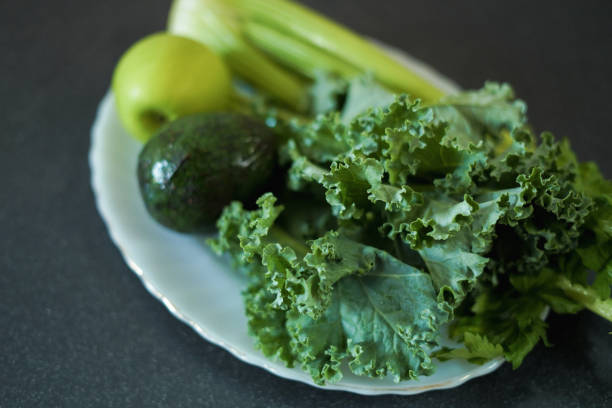
Fruits That Enhance Sperm Vitality and Motility
Fruits contribute natural antioxidants, hydration, and bioactive compounds that enhance sperm count quality. Citrus fruits such as oranges and lemons provide vitamin C, which reduces sperm clumping and improves motility. Berries contain flavonoids that protect sperm DNA and improve cellular resilience against environmental toxins. Bananas deliver vitamin B6 and bromelain, supporting hormonal balance and libido. Pomegranates have been associated with improved testosterone levels and reduced oxidative stress in reproductive tissues. Water-rich fruits such as watermelon support hydration and circulation, which is essential for healthy semen volume and delivery. Incorporating diverse fruits ensures a broad antioxidant profile that continuously safeguards sperm cells throughout their development cycle.
Protein Sources That Strengthen Reproductive Function
Protein provides amino acids necessary for cellular repair, enzyme production, and hormone synthesis. Lean proteins such as eggs, poultry, fish, legumes, and dairy products supply essential nutrients that influence fertility outcomes. Eggs contain choline and vitamin D, supporting testosterone production and sperm maturation. Fish delivers omega-3 fatty acids that improve sperm membrane flexibility and motility. Legumes provide plant-based protein along with zinc and fiber, supporting metabolic health and hormonal balance. Dairy products supply calcium and vitamin B12, which contribute to sperm concentration and energy metabolism. Balanced protein intake prevents muscle breakdown, supports endocrine stability, and ensures adequate nutrient delivery to reproductive tissues.
Healthy Fats and Their Role in Hormonal Stability
Not all fats are harmful; in fact, healthy fats are essential for hormone production and cellular function. Testosterone synthesis relies on cholesterol and fatty acid availability. Foods such as olive oil, avocados, nuts, seeds, and fatty fish supply monounsaturated and polyunsaturated fats that support cardiovascular health and hormonal signaling. Omega-3 fats reduce inflammation, improve blood flow, and enhance sperm membrane integrity. Walnuts contain antioxidants and arginine, supporting circulation and semen quality. Flaxseeds provide lignans that help regulate hormone metabolism. Avoiding trans fats and excessive saturated fats protects sperm quality and prevents metabolic disorders that negatively affect fertility.
Whole Grains and Energy Regulation for Reproductive Health
Whole grains stabilize blood sugar levels and provide sustained energy for cellular activity. Foods such as oats, brown rice, quinoa, and whole wheat contain B vitamins that support nerve function, hormone synthesis, and red blood cell production. Fiber improves gut health, allowing better nutrient absorption and hormone regulation. Stable glucose levels prevent insulin spikes that disrupt testosterone balance. Magnesium and selenium found in whole grains contribute to sperm count motility and antioxidant protection. Whole grains also support cardiovascular health, ensuring efficient oxygen and nutrient delivery to reproductive organs. Replacing refined carbohydrates with whole grains creates long-term metabolic stability that supports fertility.
Hydration, Minerals, and Circulatory Support
Water intake plays a silent but powerful role in reproductive health. Adequate hydration supports semen volume, nutrient transport, and toxin elimination. Minerals such as potassium, sodium, and magnesium regulate muscle contraction and nerve signaling, supporting ejaculation and reproductive organ function. Coconut water, mineral water, and fresh fruits contribute natural electrolytes. Iron supports oxygen transport, while copper assists enzyme activity. Maintaining hydration prevents oxidative stress and supports optimal cellular metabolism. Limiting sugary beverages and excessive caffeine protects hydration balance and hormonal stability.

Lifestyle Synergy with Fertility-Supporting Nutrition
Nutrition works best when combined with healthy lifestyle habits. Regular physical activity improves circulation, insulin sensitivity, and testosterone levels. Adequate sleep supports hormonal recovery and cellular repair. Stress management reduces cortisol levels, protecting reproductive hormone balance. Limiting alcohol intake and avoiding smoking reduces oxidative damage to sperm cells. Environmental toxin exposure should be minimized whenever possible. Consistency in dietary patterns allows the body to rebuild and optimize sperm count production over several months, reflecting the full spermatogenesis cycle. Small daily choices compound into significant fertility improvements over time.
Common Questions About Diet and Male Fertility
Many men wonder how quickly diet changes affect sperm count quality. Sperm development takes approximately seventy to ninety days, meaning nutritional improvements gradually reflect in semen analysis over three months. Another frequent concern is whether supplements are necessary. While supplements can support nutrient gaps, whole foods provide better bioavailability and synergistic nutrient combinations. Some question whether vegetarian or plant-based diets can support fertility. With adequate protein, zinc, omega-3 sources, and vitamin B12 intake, plant-focused diets can fully support reproductive health. Others ask if sugar impacts fertility. Excess sugar contributes to insulin resistance and inflammation, which negatively affects hormone balance and sperm parameters. Hydration, meal timing, and balanced macronutrients all contribute to consistent reproductive wellness.
Conclusion: Building Long-Term Fertility Through Nutrition
Diet remains one of the most accessible and sustainable tools for improving male fertility naturally. By prioritizing vegetables, fruits, lean proteins, healthy fats, whole grains, and proper hydration, men create a physiological environment that supports hormone balance, sperm integrity, and cellular resilience. Fertility improvements are gradual but meaningful when consistency is maintained. Instead of focusing on quick fixes, long-term nutritional stability strengthens reproductive potential while improving overall vitality and wellness. Thoughtful food choices influence not only fertility outcomes but also energy levels, immune health, and cardiovascular function. A balanced dietary approach empowers men to take proactive control of their reproductive future with confidence and clarity.
For more information visit https://drmaxenglish.com/increase-sex-power-and-sexual-energy/