Book Appointment Now

Mediterranean Diet for Fatty Liver | Best Foods to Reduce Liver Fat Naturally
Discover how the Mediterranean diet for fatty liver can support liver health naturally. Learn the best foods to eat, foods to avoid, simple meal ideas, and practical lifestyle tips to help reduce liver fat and improve overall wellness.

Fatty liver is common now. Very common. Many people do not even know they have it until a blood test, ultrasound, or routine checkup shows something is wrong.
Then the questions start.
“What should I eat?”
“Can fatty liver go away?”
“Is there one secret food that heals the liver fast?”
The honest answer is simple. There is no one magic food. No miracle drink. No overnight liver detox.
But there is a powerful eating pattern that can support your liver naturally. That is the Mediterranean diet for fatty liver.
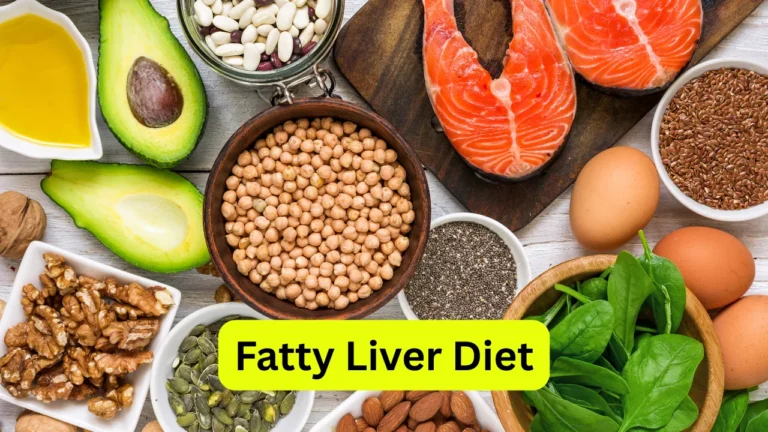
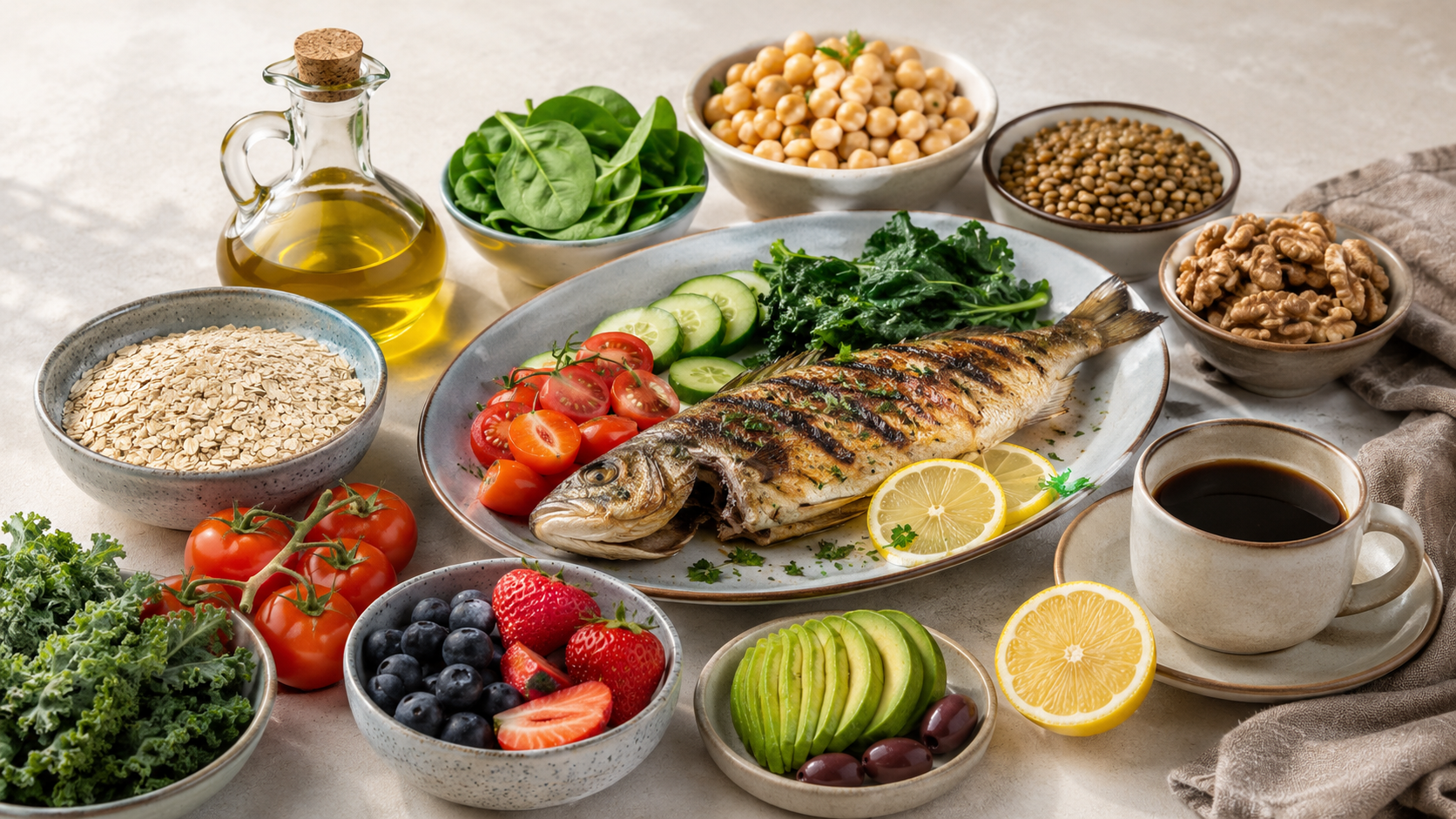
This diet is not about starving yourself. It is not about eating boring boiled food every day. And it is definitely not about buying expensive supplements. It is about eating real foods: vegetables, beans, lentils, fish, oats, olive oil, nuts, fruits, herbs, and unsweetened drinks.
Simple food. Smart food. Liver-friendly food.
And when you follow it consistently, it can help reduce liver fat, support weight loss, improve insulin resistance, and make your whole body feel lighter.
Not instantly. But steadily.
That is what really works.
Quick Answer | What Is the Best Diet for Fatty Liver?
The best diet for fatty liver is a Mediterranean-style diet rich in vegetables, whole grains, beans, lentils, fish, nuts, olive oil, berries, and unsweetened coffee or tea. It also limits sugary drinks, refined carbs, fried foods, processed meat, alcohol, and high-sugar snacks.
In simple words, eat more whole foods. Eat less processed food.
That’s the main secret.
Why the Mediterranean Diet Is Good for Fatty Liver
Fatty liver usually happens when extra fat builds up inside liver cells. This can be connected with belly fat, insulin resistance, type 2 diabetes, high triglycerides, poor diet, lack of exercise, and sometimes alcohol use.
The liver is a quiet organ. It does not complain early.
You may feel fine. You may eat normal. You may think, “I am okay.” But inside, the liver may already be storing too much fat.
This is where diet becomes important.
The Mediterranean diet helps because it does not attack only one problem. It supports many things at the same time.
It helps with weight.
It helps with blood sugar.
It helps with inflammation.
It helps reduce processed food intake.
And yes, it supports better liver health.
Small changes. Big effect.
It Reduces Added Sugar and Refined Carbs
Sugar is one of the biggest problems for fatty liver.
Especially sugary drinks.
Soda, packaged juices, sweet tea, energy drinks, milkshakes, sweet coffee drinks, and even “healthy” fruit juices can overload the liver with sugar. The liver then has to process all that extra sugar. Some of it can turn into fat.
That fat may collect in the liver.
This is why a fatty liver diet should reduce:
White bread
White rice in large portions
Sweets
Cakes
Biscuits
Sugary cereals
Soft drinks
Packaged juices
Desserts
Refined flour snacks
Does this mean you can never eat rice or bread again? No. Relax.
But portions matter. Frequency matters. Quality matters.
Brown rice, oats, barley, quinoa, and whole-grain foods are better choices because they contain more fiber and digest more slowly.
It Adds Healthy Fats Instead of Harmful Fats
Many people hear “fatty liver” and think, “I should stop all fat.”
That is not correct.
Your liver does not need a zero-fat diet. It needs better fats.
The Mediterranean diet uses healthy fats like extra virgin olive oil, nuts, seeds, avocado, and fatty fish. These fats are different from deep-fried foods, processed snacks, and trans fats.
Healthy fats can help you feel full. They also make meals more satisfying. This matters because if your diet is too strict, you will quit. Fast.
And let’s be honest. Nobody can live happily on boiled vegetables forever.
It Supports Weight Loss Without Crash Dieting
For many people with fatty liver, even gradual weight loss can make a big difference. But crash dieting is not the answer.
Crash diets feel powerful at first. You lose some weight. You feel proud. Then hunger hits. Cravings come. Energy drops. And suddenly, old eating habits return.
The Mediterranean diet works better because it is sustainable.
You eat enough.
You eat colorful meals.
You enjoy food.
You do not feel punished.
That is important. Because fatty liver improvement usually needs consistency, not drama.
It Helps Fight Inflammation
Fatty liver is not only about fat. In many cases, inflammation also plays a role.
Mediterranean foods are naturally rich in antioxidants, fiber, healthy fats, and plant compounds. These may help support the body’s natural defense system.
Think of leafy greens, berries, olive oil, beans, fish, herbs, garlic, and nuts.
They are not fancy. But they are powerful when eaten regularly.
The liver loves consistency.
The Real “Secret Food” for Fatty Liver
People like secrets.
A secret herb.
A secret drink.
A secret fruit.
A secret food that “heals liver fast.”
But the real secret is not one food.
The real secret is this: replace liver-damaging foods with liver-supporting foods every day.
That’s it. That’s the real game.
Still, if we had to choose one food or drink that gets a lot of attention for liver health, it would be unsweetened coffee.
Not caramel coffee.
Not creamy sugar coffee.
Not dessert in a cup.
Simple black coffee.
Is There One Food That Heals Fatty Liver Fast?
No single food can heal fatty liver fast.
That line sounds attractive. But it is not honest.
Fatty liver improves when your overall lifestyle improves. Food helps. Weight loss helps. Walking helps. Sleep helps. Blood sugar control helps. Avoiding alcohol helps.
One food alone cannot undo years of poor eating.
But one good habit can start the change.
And then another.
And another.
That’s how the liver starts recovering.
Slowly, quietly, but beautifully.
Why Coffee May Be One of the Best Liver-Friendly Drinks
Unsweetened coffee is often included in liver-friendly diet discussions. It may support liver health when used properly and without sugar.
But here is the catch.
Most people do not drink coffee. They drink liquid dessert.
Sugar. Cream. Syrup. Whipped topping. Chocolate flavor. Extra caramel.
That is not liver-friendly.
For fatty liver, coffee should be simple:
Black coffee
No sugar
No flavored syrup
No heavy cream
No sweet creamer
If black coffee feels too strong, start slowly. Add cinnamon. Use less coffee. Drink it with breakfast.
But do not turn it into a sugar bomb.
Also, if you have anxiety, high blood pressure, sleep problems, heart rhythm issues, pregnancy, or caffeine sensitivity, talk to your doctor before using coffee regularly.
Best Mediterranean Foods for Fatty Liver
Now let’s make it practical.
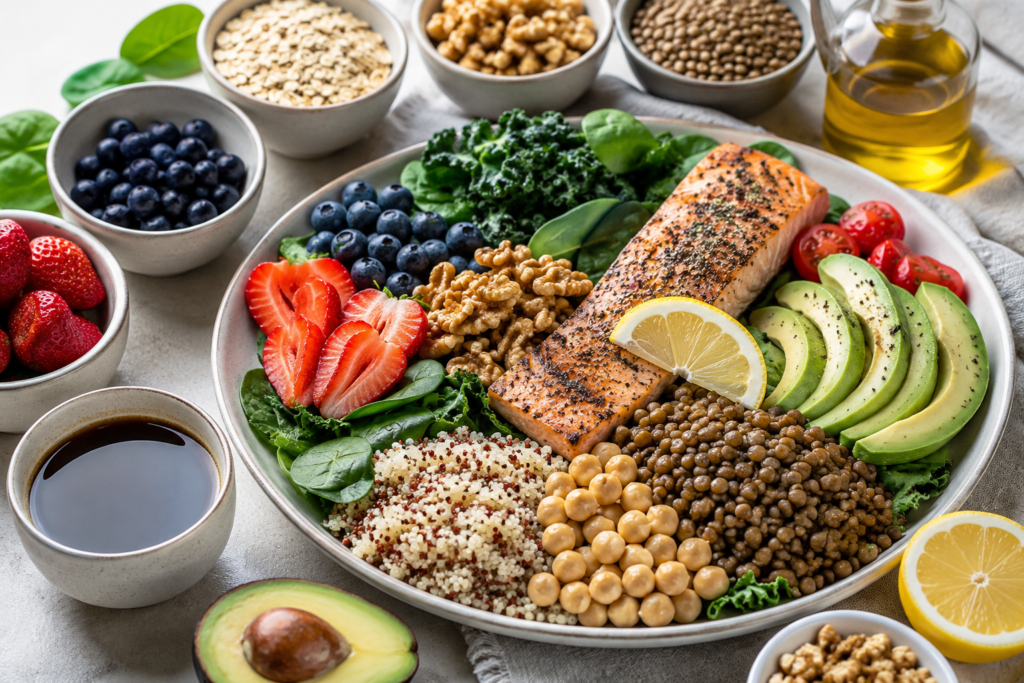
Here are the best Mediterranean-style foods to include in a fatty liver diet.
Not once a month. Not randomly. Regularly.
1. Leafy Green Vegetables
Leafy greens are simple liver-friendly foods.
Spinach, kale, lettuce, arugula, mustard greens, coriander, parsley, and other greens are low in calories and rich in fiber and antioxidants.
They fill your stomach without overloading your body with calories.
Add them to:
Salads
Omelets
Soups
Lentils
Wraps
Smoothies
Rice bowls
Grilled fish plates
A simple rule: add one handful of greens to at least one meal every day.
Small habit. Big direction.
2. Extra Virgin Olive Oil
Extra virgin olive oil is a classic Mediterranean diet food.
It gives healthy fats and makes vegetables taste better. That matters. Because when healthy food tastes good, you actually eat it.
Use olive oil for:
Salad dressing
Light sautéing
Drizzling over vegetables
Adding flavor to beans or lentils
But portion control is still important. Olive oil is healthy, but it is still calorie-dense.
Use it wisely. Not like water.
A good starting point is one to two teaspoons with a meal, depending on your calorie needs.
3. Oats and Whole Grains
Oats are one of the easiest breakfasts for fatty liver.
They are rich in fiber and help keep you full. They also digest more slowly than sugary cereals or white bread.
Good whole grain options include:
Oats
Barley
Quinoa
Brown rice
Whole wheat bread
Whole grain pasta
Millets
Buckwheat
But remember: whole grains are healthy, not unlimited.
If your plate is full of rice and only two slices of cucumber on the side, that is not a Mediterranean plate. That is just a carb plate wearing a healthy hat.
Balance it.4. Beans, Lentils, and Chickpeas
Beans and lentils are underrated.
Very underrated.
They give plant protein, fiber, minerals, and slow-digesting carbs. They are also budget-friendly, which is important for real people living real life.
Good options include:
Lentils
Chickpeas
Black beans
Kidney beans
White beans
Split peas
Mung beans
You can use them in soups, salads, curries, wraps, or Mediterranean bowls.
One simple meal idea: chickpeas, cucumber, tomato, onion, olive oil, lemon, parsley, and grilled chicken or boiled egg.
Easy. Filling. Liver-friendly.
5. Fatty Fish
Fatty fish provides omega-3 fats, which are healthy fats.
Good choices include:
Salmon
Sardines
Mackerel
Trout
Tuna
Herring
The cooking method matters.
Grilled fish is good.
Baked fish is good.
Steamed fish is good.
Deep-fried fish? Not so good.
If fish is expensive or not available, use other protein options like lentils, beans, eggs, chicken breast, tofu, or low-fat yogurt.
The goal is not perfection. The goal is improvement.
6. Walnuts and Almonds
Nuts are small but powerful.
Walnuts and almonds provide healthy fats, fiber, and minerals. They also help reduce hunger between meals.
A small handful is enough.
But do not eat half a jar.
Best options:
Walnuts
Almonds
Pistachios
Hazelnuts
Pumpkin seeds
Chia seeds
Flaxseeds
Avoid sugar-coated nuts, honey-roasted nuts, and heavily salted versions.
Plain is better. Boring maybe. But better.
7. Berries and Low-Sugar Fruits
Fruit is healthy, but fruit juice is different.
Whole fruit gives fiber. Juice removes much of that fiber and makes sugar easier to overconsume.
Better fruit choices for fatty liver include:
Blueberries
Strawberries
Raspberries
Apples
Oranges
Grapefruit
Kiwi
Pears
Peaches
Eat the fruit. Do not drink it.
That one line can change a lot.
8. Greek Yogurt or Low-Fat Yogurt
Unsweetened yogurt can be a useful food in a fatty liver diet.
It gives protein and can support gut health. Choose plain yogurt, not sweetened fruit-flavored yogurt.
Many “healthy” yogurts are full of sugar. Check the label.
Good ways to eat yogurt:
With berries
With chia seeds
With cinnamon
As a dip with cucumber
With oats
In a smoothie without added sugar
If you do not tolerate dairy, choose an unsweetened alternative with enough protein.
9. Garlic, Herbs, and Spices
Healthy food does not have to be tasteless.
Garlic, turmeric, cinnamon, basil, parsley, oregano, black pepper, cumin, coriander, and lemon can make simple meals taste fresh and satisfying.
This is where Mediterranean eating becomes enjoyable.
You are not just eating “diet food.”
You are eating real food with flavor.
That is a big difference.
10. Green Tea and Water
Hydration matters.
Water should be your main drink. Green tea can also be a good sugar-free option.
Try to replace:
Soda with sparkling water
Juice with whole fruit
Sweet tea with unsweetened tea
Energy drinks with water
Sugary coffee with black coffee
This one change alone can reduce a lot of daily sugar.
Fast. And practical.
Foods to Avoid with Fatty Liver
You do not need to fear food. But some foods should be limited strongly if you have fatty liver.
This part is important.
Because sometimes people add healthy foods, but they keep eating the same damaging foods too.
That does not work well.
You cannot fix a poor diet by adding one salad.
Sugary Drinks and Fruit Juice
Sugary drinks are one of the worst choices for fatty liver.
Avoid or strongly limit:
Soda
Cola
Packaged juice
Energy drinks
Sports drinks
Sweet tea
Sweet coffee drinks
Milkshakes
Flavored drinks
And yes, even fruit juice.
Orange juice sounds healthy. But it is easy to drink the sugar of several oranges in one glass without the fiber.
Eat oranges instead.
White Bread, White Rice, and Refined Flour
Refined carbs digest quickly and may raise blood sugar fast.
Common examples:
White bread
White rice
Naan made with refined flour
Pasta made with refined flour
Biscuits
Crackers
Bakery items
Sugary breakfast cereals
You do not always need to remove them 100%. But reduce portion size and frequency.
For example, instead of a huge plate of white rice, try:
Half plate vegetables
One-quarter protein
One-quarter rice or whole grain
That is a better plate.
Fried and Fast Foods
Fried food is tasty. Let’s be honest.
But for fatty liver, it can be a problem, especially when eaten often.
Limit:
French fries
Fried chicken
Burgers
Pizza
Chips
Pakoras
Samosas
Deep-fried fish
Fast food meals
Have them rarely, not daily. And not as your “normal dinner.”
Your liver keeps record. Quietly.
Processed Meat
Processed meats are often high in salt, saturated fat, and preservatives.
Limit:
Sausages
Bacon
Salami
Hot dogs
Deli meats
Processed beef products
Pepperoni
Choose simpler proteins instead:
Fish
Chicken
Eggs
Beans
Lentils
Tofu
Plain yogurt
Simple food usually wins.
Alcohol
If you have fatty liver, alcohol can make things worse. Some people need to avoid it completely, especially if liver enzymes are high or if there is liver damage.
Do not guess here.
Talk to your doctor.
The liver already has work to do. Alcohol adds more pressure.
High-Sugar Snacks and Desserts
Desserts are not evil. But daily sugar is a problem.
Limit:
Cake
Cookies
Candy
Donuts
Ice cream
Sweet pastries
Chocolate bars
Sweetened cereals
Packaged snacks
If you want something sweet, choose better options:
Greek yogurt with berries
Apple with cinnamon
A few dates with nuts
Dark chocolate in small portion
Fruit bowl with seeds
Not perfect. Better.
Better is enough to start.
Mediterranean Plate Method for Fatty Liver
Here is the easiest way to build a liver-friendly meal.
No calorie counting. No complicated app. No stress.
Just use your plate.
Half Plate: Non-Starchy Vegetables
Fill half your plate with vegetables.
Good choices:
Spinach
Broccoli
Cucumber
Tomatoes
Carrots
Bell peppers
Zucchini
Cabbage
Lettuce
Mushrooms
Green beans
Raw, cooked, grilled, roasted, or steamed. All good.
Add lemon, herbs, garlic, or a little olive oil for flavor.
One-Quarter Plate: Lean Protein
Protein helps fullness and supports muscle.
Choose:
Fish
Chicken
Eggs
Beans
Lentils
Chickpeas
Tofu
Low-fat yogurt
Turkey
Cottage cheese in moderation
Try to include protein at every meal.
Without protein, hunger returns quickly. Then snacks happen. Then sugar happens. You know the story.
One-Quarter Plate: Smart Carbs
Carbs are not the enemy. Poor quality and huge portions are the problem.
Choose smart carbs:
Oats
Barley
Quinoa
Brown rice
Sweet potato
Whole grain bread
Millets
Beans and lentils
Keep the portion controlled.
You should not feel sleepy and heavy after every meal. If you do, the carb portion may be too large.
Add Healthy Fat
Add a small amount of healthy fat.
Examples:
Olive oil
Avocado
Walnuts
Almonds
Seeds
Fatty fish
Healthy fat makes food satisfying. It also helps you stay consistent.
And consistency is the real treatment partner.
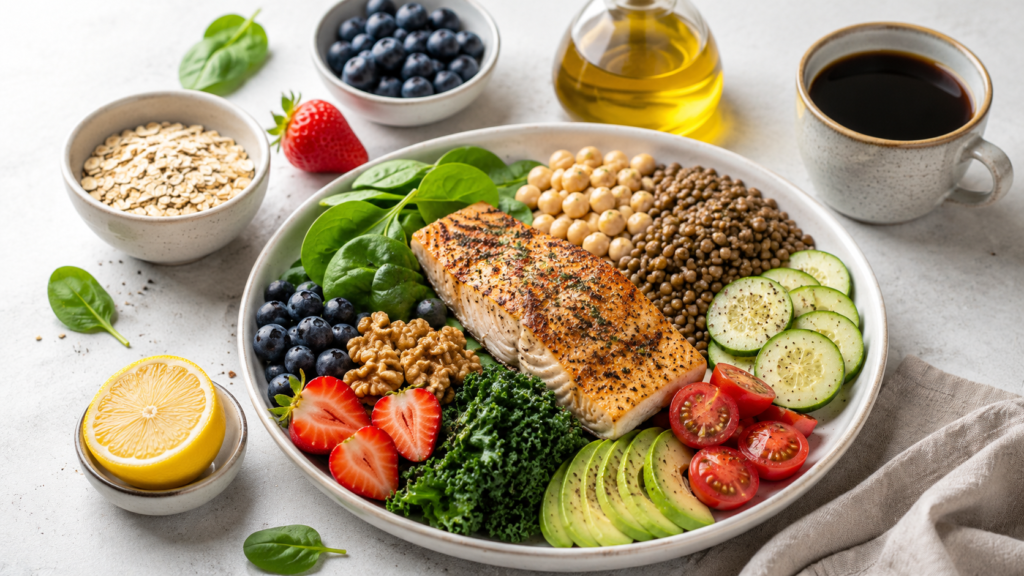
1-Day Mediterranean Diet Plan for Fatty Liver
Here is a simple day of eating.
Use it as a sample, not a strict rule.
Breakfast
Oats cooked with water or low-fat milk
Add berries
Add cinnamon
Add one tablespoon chia seeds or a few walnuts
Drink black coffee or green tea
This breakfast is simple, filling, and easy to repeat.
No drama.
Lunch
Grilled fish or lentil salad
Large bowl of vegetables
Olive oil and lemon dressing
Small portion quinoa, brown rice, or whole grain bread
If you are vegetarian, use chickpeas, beans, tofu, or lentils instead of fish.
Snack
Apple with a small handful of almonds
Or:
Plain Greek yogurt with berries
Keep snacks simple. Snacks should help you, not become a second dessert.
Dinner
Chickpeas or beans cooked with vegetables
Side salad
Small portion of whole grain
Green tea or water
Dinner should be lighter than lunch for many people. Not always, but often it helps.
Especially if you sleep late and eat heavy.
Drinks
Water
Unsweetened coffee
Green tea
Herbal tea
Sparkling water without sugar
Avoid liquid sugar. It sneaks in quietly.
7-Day Mediterranean Meal Plan for Fatty Liver
This plan is simple and realistic. You can repeat meals. Actually, repeating healthy meals makes life easier.
You do not need a new fancy recipe every day.
Day 1
Breakfast: Oats with berries, cinnamon, and walnuts
Lunch: Grilled chicken salad with olive oil dressing
Snack: Apple with almonds
Dinner: Lentil soup with vegetables and side salad
Day 2
Breakfast: Plain yogurt with chia seeds and strawberries
Lunch: Chickpea bowl with cucumber, tomato, onion, parsley, and olive oil
Snack: Carrot sticks with hummus
Dinner: Baked fish with broccoli and small portion brown rice
Day 3
Breakfast: Whole grain toast with boiled eggs and spinach
Lunch: Bean salad with mixed vegetables and lemon dressing
Snack: Orange or pear
Dinner: Chicken vegetable soup with quinoa
Day 4
Breakfast: Oats with apple slices and cinnamon
Lunch: Tuna or tofu salad with olive oil and greens
Snack: Plain yogurt
Dinner: Chickpea curry with salad and small portion whole grain
Day 5
Breakfast: Smoothie with unsweetened yogurt, berries, spinach, and chia seeds
Lunch: Lentils with vegetables and cucumber salad
Snack: Walnuts and green tea
Dinner: Grilled fish or chicken with roasted vegetables
Day 6
Breakfast: Boiled eggs with tomato, cucumber, and whole grain toast
Lunch: Mediterranean quinoa bowl with beans and vegetables
Snack: Apple with peanut butter in small amount
Dinner: Vegetable soup with grilled chicken or tofu
Day 7
Breakfast: Greek yogurt with berries, flaxseeds, and cinnamon
Lunch: Salmon, sardines, or lentil salad with olive oil dressing
Snack: A small handful of nuts
Dinner: Beans with vegetables and salad
Simple week. Easy to adjust. Good for real life.
If you are South Asian, you can still follow this pattern. Just adjust portions.
Use less white rice. Add more salad. Use lentils. Choose grilled foods. Reduce fried snacks. Use whole grains where possible.
This is not about changing your culture. It is about improving your plate.
Common Mistakes That Slow Fatty Liver Progress
Many people try to eat healthy but still make small mistakes that slow results.
Let’s talk about them.
Drinking Fruit Juice Daily
Fruit juice looks healthy. But it is not the same as whole fruit.
Juice is easy to overdrink. It gives sugar without enough fiber.
Better choice: eat the whole fruit.
Simple.
Eating “Healthy” Snacks That Are High in Sugar
Granola bars, flavored yogurt, protein cookies, breakfast biscuits, and packaged smoothies may look healthy.
But many are full of sugar.
Read labels. Or choose simple snacks like nuts, fruit, boiled eggs, plain yogurt, carrots, or hummus.
Real food usually has less marketing.
Avoiding All Fats
Some people remove all fats and then feel hungry all day.
Bad idea.
Choose healthy fats in small portions. Olive oil, nuts, seeds, avocado, and fish can be part of a liver-friendly diet.
Fat quality matters.
Depending Only on Detox Drinks
Lemon water will not fix fatty liver if your daily diet is full of sugar, fried food, and refined carbs.
Detox drinks sound exciting. But your liver needs nutrients, not internet magic.
Eat better. Walk more. Sleep well. Reduce sugar.
That’s the real detox.
Eating Too Much White Rice or Bread
Rice and bread are not poison.
But too much refined carb can be a problem, especially with low activity and belly fat.
Use the plate method. Add protein. Add vegetables. Reduce portion size.
That works better than fear.
Adding Sugar and Cream to Coffee
Coffee may be liver-friendly, but only when it stays simple.
If your coffee has sugar, syrup, and cream, it becomes dessert.
Drink it black or lightly modified without sugar.
Your liver will thank you. Quietly, of course.
Ignoring Exercise and Sleep
Food is powerful. But food alone is not everything.
Walking, strength training, and good sleep also matter.
Poor sleep can increase cravings. No exercise can make insulin resistance worse. Stress can push emotional eating.
So yes, lifestyle counts.
Not perfect lifestyle. Better lifestyle.
Lifestyle Tips to Reduce Liver Fat Naturally
Diet is the foundation. But lifestyle makes the foundation stronger.
Walk Daily
Walking is one of the easiest habits for fatty liver.
Start with 10 minutes if you are beginner. Then 20 minutes. Then 30 minutes.
Do not wait for motivation. Motivation is unreliable.
Just walk.
After dinner is a good time for many people. It may help digestion and blood sugar too.
Lose Weight Slowly and Safely
If you are overweight, gradual weight loss can help reduce liver fat.
But do not crash diet.
Aim for slow, steady progress. Even a small reduction in weight can be meaningful when it is maintained.
The key word is maintained.
Because losing weight for 2 weeks and gaining it back does not help much.
Improve Sleep
Sleep affects hunger, cravings, energy, and hormones.
When you sleep poorly, you may crave sugar and refined carbs more.
Try:
Fixed sleep timing
Less screen time at night
No heavy late dinner
No late caffeine
Dark room
Calm routine
Sounds basic. Works better than people think.
Manage Blood Sugar
Fatty liver is often linked with insulin resistance.
That means your body may struggle to manage blood sugar properly.
Helpful habits include:
Eating protein with meals
Choosing whole grains
Avoiding sugary drinks
Walking after meals
Eating more fiber
Reducing late-night snacking
Small moves. Daily moves.
Be Consistent for 8–12 Weeks
Do not judge your progress after 3 days.
The liver needs time.
Follow the Mediterranean diet consistently for 8 to 12 weeks, then check your progress with your healthcare provider. Blood tests and imaging may show improvement over time.
But remember, symptoms are not always reliable. You may feel okay even when liver fat is still there.
So follow up properly.
Who Should Talk to a Doctor Before Starting This Diet?
Most Mediterranean-style foods are safe for many people. But some people should talk to a doctor or dietitian before making major changes.
This includes people with:
Diabetes
Kidney disease
Advanced liver disease
Pregnancy
Eating disorders
Very high liver enzymes
Heart disease
Blood pressure problems
Medication use for diabetes, cholesterol, or blood thinning
Also seek medical help if you have yellow eyes, swollen belly, severe tiredness, vomiting blood, black stool, confusion, or strong abdominal pain.
Do not ignore serious symptoms.
The internet is helpful. But it is not your emergency doctor.
FAQs About Mediterranean Diet for Fatty Liver
Can fatty liver be reversed with diet?
Fatty liver can improve in many people with the right diet, weight management, exercise, and better blood sugar control. The Mediterranean diet may help because it reduces sugar and processed foods while adding fiber, healthy fats, lean protein, and whole foods. Results take time, so consistency is important.
What is the best breakfast for fatty liver?
A good fatty liver breakfast includes fiber, protein, and no added sugar. Oats with berries and walnuts, boiled eggs with vegetables, or plain Greek yogurt with chia seeds are good options. Avoid sugary cereals, white bread with jam, sweet tea, and packaged juices.
Is coffee good for fatty liver?
Unsweetened coffee may support liver health when used in moderation. The key is to avoid sugar, syrups, heavy cream, and sweetened creamers. Black coffee is the better option. People with caffeine sensitivity, pregnancy, anxiety, high blood pressure, or heart problems should ask a doctor first.
Is rice bad for fatty liver?
Rice is not automatically bad, but large portions of white rice can be a problem for some people with fatty liver, especially if they also have insulin resistance or belly fat. Choose smaller portions and balance rice with vegetables, protein, and healthy fats. Brown rice or other whole grains may be better choices.
Are eggs good for fatty liver?
Eggs can be part of a balanced fatty liver diet for many people. They provide protein and help with fullness. The cooking method matters. Boiled, poached, or lightly cooked eggs are better than eggs fried in too much oil or eaten with processed meat.
Is lemon water good for fatty liver?
Lemon water can be a healthy low-calorie drink, but it does not cure fatty liver. It may help you drink more water and avoid sugary drinks. That is useful. But the real improvement comes from a full diet pattern, weight control, exercise, and avoiding alcohol or excess sugar.
What fruits are best for fatty liver?
Berries, apples, oranges, pears, kiwi, grapefruit, and peaches are good fruit choices. Whole fruit is better than fruit juice because it contains fiber and is harder to overconsume. Keep portions moderate, especially if you have diabetes or high blood sugar.
How long does it take to reduce liver fat naturally?
Many people need several weeks to months of consistent diet and lifestyle changes to see improvement. Some may notice better energy earlier, but liver fat and liver enzymes should be checked with a healthcare provider. Fatty liver improvement is not overnight. It is a steady process.
What should I avoid if I have fatty liver?
Avoid or limit sugary drinks, fruit juices, alcohol, fried foods, fast food, processed meat, white bread, white rice in large portions, high-sugar desserts, and ultra-processed snacks. These foods can make liver fat, weight gain, and blood sugar problems worse.
Is the Mediterranean diet better than a low-fat diet for fatty liver?
For many people, the Mediterranean diet is easier to follow than a strict low-fat diet because it includes healthy fats from olive oil, nuts, seeds, and fish. It focuses on food quality, not just fat reduction. This makes it more practical and sustainable for long-term liver health.
Conclusion
Fatty liver does not need panic. But it does need action.
The best approach is not a secret pill, detox tea, or one miracle food. The better approach is a consistent Mediterranean diet for fatty liver.
Eat more vegetables.
Add beans and lentils.
Choose oats and whole grains.
Use olive oil wisely.
Eat fish if you can.
Snack on nuts in small portions.
Drink water, green tea, or unsweetened coffee.
Avoid sugary drinks, fried foods, refined carbs, and alcohol.
Simple? Yes.
Easy every day? Not always.
Worth it? Absolutely.
Your liver is quiet, but it is always working for you. Now it is your turn to work for it.
And if you want to learn more helpful health tips in a simple and practical way, you can also watch Dr Max’s videos on YouTube. Dr Max regularly records and uploads health and wellness videos in English, Hindi, and Urdu, so you can understand these topics in the language that feels easiest for you.
For more useful guides like this, keep exploring Dr Max English and visit Dr Max’s YouTube channels for regular videos on natural health, diet, lifestyle, and wellness.